How to Break a Bad Habit: A 5-Step Method Backed by Behaviour Science
Bad habits aren't character flaws. They're loops your brain is running because they once worked. Here's how to dismantle the loop and replace it — without relying on willpower.
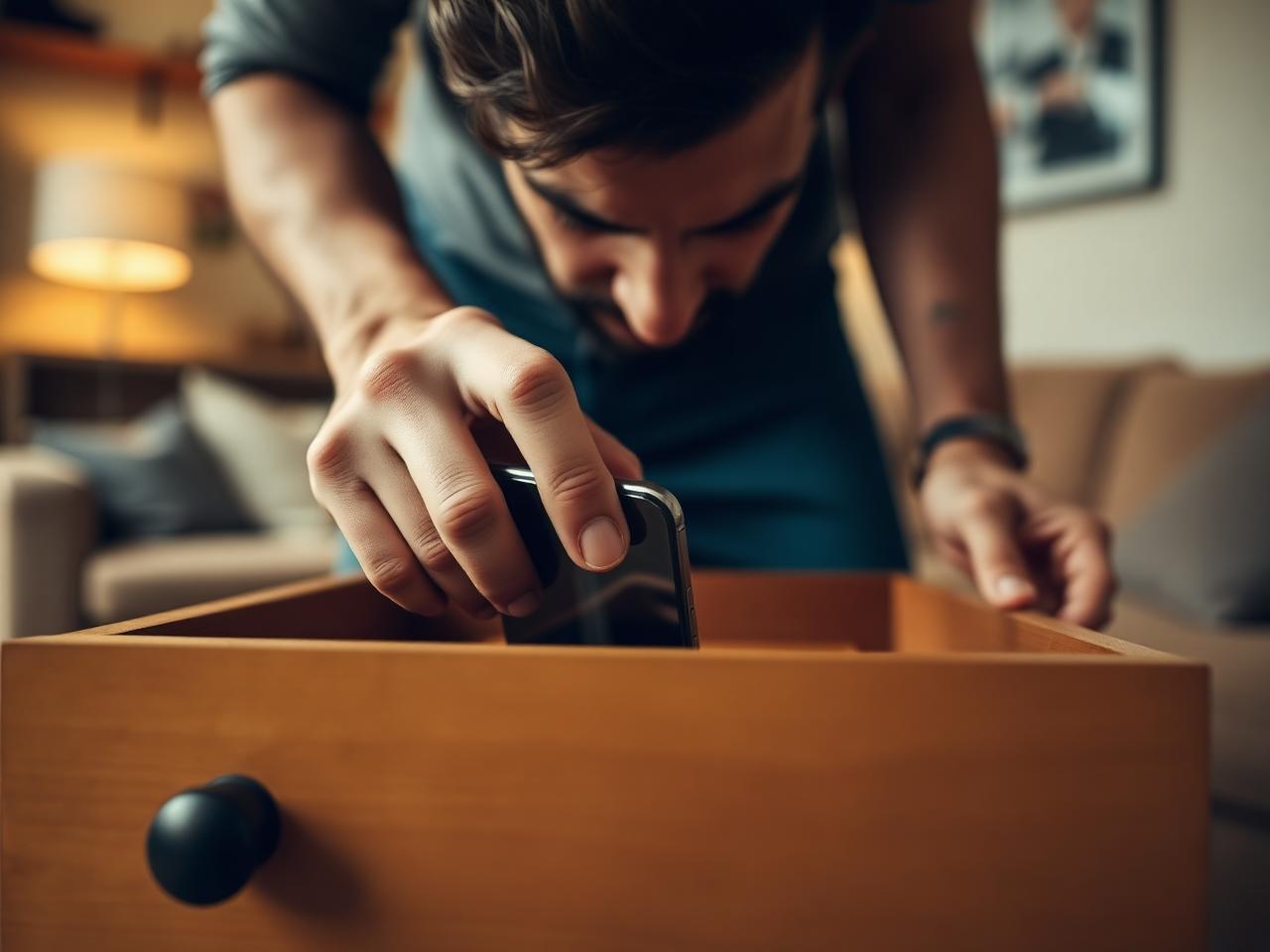
Most advice on breaking bad habits is some variation of "just stop." Stop scrolling. Stop snacking. Stop biting your nails. Stop checking your ex's Instagram at 11pm. If "just stopping" worked, you wouldn't be reading this. The reason it doesn't work is that bad habits are not character failures. They're loops your brain installed because, at some point, they did something useful — they soothed an emotion, killed a moment of boredom, or filled a gap you couldn't otherwise fill.
You don't break a bad habit by overpowering it. You break it by understanding what it was trying to do for you, and then offering your brain a better way to get the same thing. This is the actual mechanism behind every durable change, and it's surprisingly teachable. Five steps, in order.
Step 1: Name the loop, exactly
Every habit, good or bad, runs on the same four-part loop: cue, craving, response, reward. Before you can change a habit, you have to see its loop in fine detail. Vague self-knowledge ("I scroll too much") changes nothing. Specific self-knowledge ("Every weekday at 3pm, when work gets boring, I open Instagram for about twenty minutes and feel slightly numb afterward") changes everything.
Pick the one bad habit you want to break. For the next three days, every time you catch yourself doing it, write down:
The cue. What just happened? Where were you? What time was it? Who were you with? What were you feeling?
The craving. What were you actually wanting? Not the surface behaviour — the underlying need. Distraction? Comfort? Stimulation? Connection? Escape?
The response. What exactly did you do, in physical detail?
The reward. How did you feel immediately afterward? And five minutes later?
This isn't journalling for its own sake. You're collecting the diagnostic information that the next four steps will work on. Most people skip this step and wonder why nothing changes. Don't skip it.
Step 2: Make the cue invisible
The single highest-leverage move in breaking a bad habit is removing its cue. You don't have to resist a craving you never get triggered to feel. Charge your phone in another room and you've removed the cue for the late-night scroll. Don't keep snacks in the cupboard and you've removed the cue for the post-work binge. Unfollow the account that makes you feel bad and you've removed the cue for the resentment spiral.
This is not a workaround. It's the most behaviourally honest thing you can do. Willpower depletes within minutes. Environmental design works while you sleep. Every cue you successfully hide is a battle you don't have to fight again that day, or that month, or that year.
Look at your cue list from step 1. What can you physically remove, hide, or make harder to reach? Most people, in five minutes of honest design, can eliminate 60–80% of their bad habit's daily cues.
Step 3: Replace the response, don't just delete it
This is the step almost every "just stop" approach misses. The craving from step 1 is real. It's pointing at a genuine need — a need to decompress, to feel comforted, to break boredom, to connect, to escape. If you delete the bad habit without replacing it, the need stays, and the brain will find another loop to fill it. Often a worse one.
So you swap. Same cue. Same approximate reward. Different, less costly response.
If 3pm boredom triggers Instagram, the swap might be a five-minute walk outside, a text to a friend, or a short stretch. The behaviour gives you the same break from work, but doesn't leave you feeling numb. If late-night anxiety triggers snacking, the swap might be a warm drink, a short journal entry, or a slow-breath routine. The behaviour soothes the same nervous system, but with a different reward.
The swap doesn't have to be virtuous. It has to be slightly less harmful and reliable enough to compete. A worse-but-different habit can be the bridge to a much better one later. Don't aim for perfect replacement on day one.
Step 4: Make the bad habit harder, and the replacement easier
Now you use friction deliberately. For every bad habit, add at least twenty seconds of difficulty. For the replacement, remove at least twenty seconds.
Phone scrolling? Move the social apps off the home screen, log out, delete them entirely on weeknights. Each step adds friction. Each step makes the loop slower than the craving, which is where it loses its hold. The craving is mostly impulse; even a small delay gives the prefrontal cortex time to vote.
For the replacement, do the opposite. Put the book on the pillow. Leave the running shoes by the door. Pre-fill the water bottle. Pre-cue the desired behaviour the night before. The easier you make it, the more likely your tired evening self will reach for it.
Friction is the most underrated lever in behaviour change because it doesn't feel like effort. It just changes which thing happens to be the path of least resistance — and almost every habit eventually becomes whatever the path of least resistance is.
Step 5: Make the new loop satisfying, and track it
Behaviours that aren't reinforced fade. After you successfully replace a bad habit with a better one, your brain needs a fast, clear signal that the new behaviour was worth it. Otherwise, on a bad day, the old loop is going to look more appealing simply because it had a known reward.
Mark the replacement done. Use a tracker, a paper grid, a coaching app — anything that gives you a small, immediate signal. The dopamine ping from a checked box is laughably small in isolation. Repeated daily for a few weeks, it's the difference between a habit that holds and one that dissolves.
This is why so many people use HabitPal for habit replacement specifically. The morning briefing reminds you what you're swapping today. A single tap marks the new behaviour done. The AI coach watches what cues you under stress, when the old loop tries to reappear, and quietly adjusts the plan instead of letting you white-knuckle through it.
Plan for the slip
You will slip back into the old loop. Possibly tonight. Definitely within the first month. This is normal, expected, and not evidence that you have failed. The behaviour science is clear: people who break bad habits successfully are not the ones who never slip. They're the ones who slip, notice quickly, and return to the replacement without spiralling.
The rule that matters is the one you already know from building habits in the other direction: never miss twice. One slip is an event. Two in a row is a re-installation. After a slip, run the loop in reverse — what was the cue, what need was unmet, what's the smallest version of the replacement I can do right now? Then do it. The faster the return, the less the slip costs you.
The honest summary
You don't break a bad habit by becoming a different person. You break it by removing its cues, honouring the need underneath it with a better response, adding friction to the old loop, removing friction from the new one, and giving the brain a fast signal that the swap was worth it.
None of that requires you to be more disciplined than you've been so far. It requires you to be more deliberate. The bad habit isn't your enemy. It's your nervous system's clumsy attempt to take care of you. Replace it kindly, and it will let go.
Ready to build the habit?
HabitPal is the gentle AI coach behind every article on this blog.