Printable Habit Tracker: Free Templates and a Better Digital Alternative
Free printable habit tracker layouts plus an honest look at when paper works, when it doesn't, and the digital alternative that adapts as your habits change.
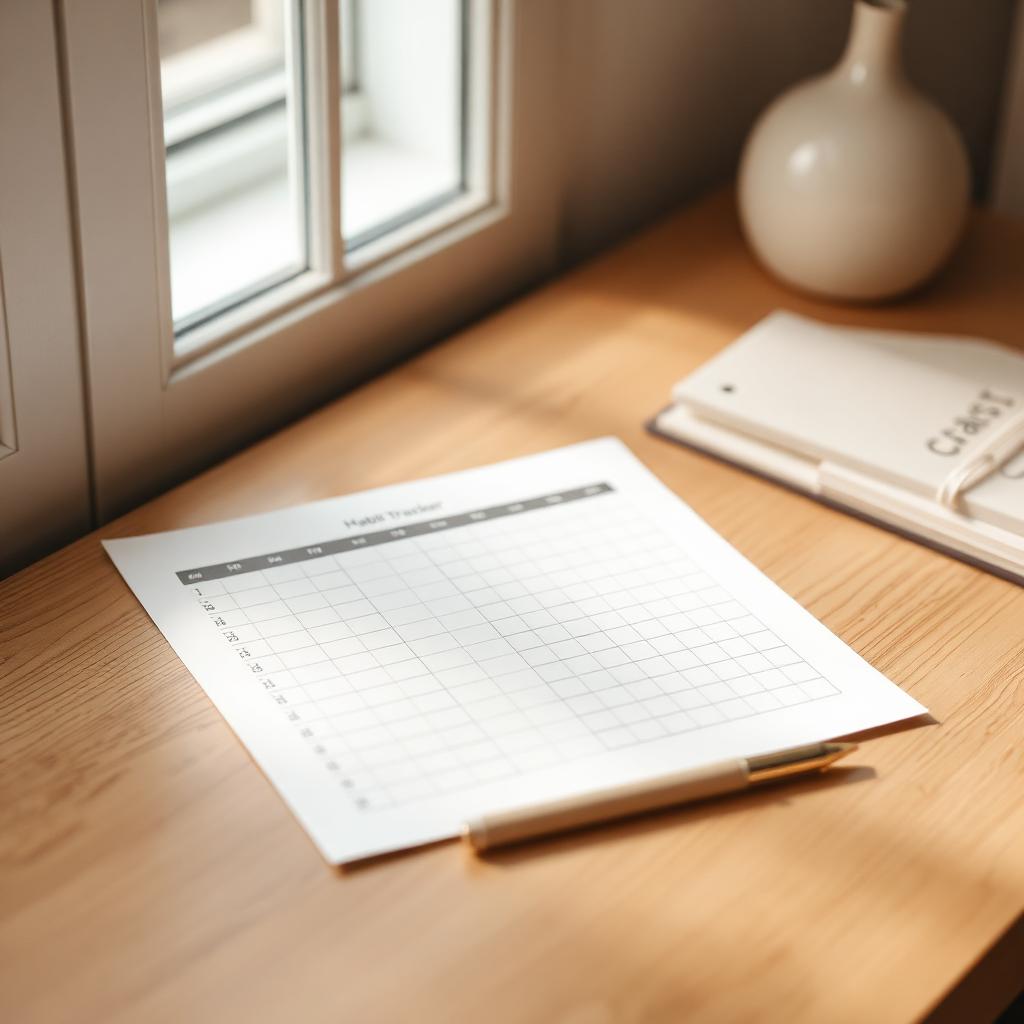
There's a reason "printable habit tracker" gets searched thousands of times a month. Paper is honest. A printed grid is sitting on your desk whether you feel like opening it or not, doesn't ping you, doesn't update its UI, and never asks you to log in. For a lot of people, that quiet pressure is exactly what gets a new habit through its first fragile weeks.
This guide does two things. First, it gives you genuinely useful printable habit tracker layouts you can sketch in two minutes — no email signup, no PDF download required. Second, it's honest about where printable trackers stop working, and what to switch to when they do.
Why printable habit trackers work (when they do)
Printed trackers have three advantages over apps: they're visible by default, they're frictionless to mark, and they're emotionally neutral. A grid taped to the fridge sees you every time you walk past it. Filling in a square takes less than a second. And a paper sheet doesn't shame you the way a notification reminding you of a 47-day streak you just broke can.
For someone building their first one or two habits, that's often enough. The problem starts later — when life gets messier and the tracker needs to keep up.
Five printable habit tracker layouts that actually work
1. The monthly grid. Habit names down the left, days 1–31 across the top. One sheet per month. This is the classic for a reason: you can see at a glance how this month compares to the last. Best for 3–6 habits you want to do most days.
2. The weekly checklist. Seven columns (Mon–Sun), habits down the side, one sheet per week. Lower stakes than the monthly grid because the slate wipes clean every Sunday. Best when you're testing a new habit and don't want a month of empty boxes staring at you on day three.
3. The dot calendar. A standard calendar page where you put a dot in the date square every day you did the habit. One habit per calendar. Looks gorgeous after a few weeks. Best for a single keystone habit where seeing the pattern emerge is itself the reward.
4. The mini-habit card. An index card with one habit at the top and 30 small squares below. Lives in your wallet or beside your toothbrush. Best for habits with a clear cue location (flossing, vitamins, post-lunch walk).
5. The year-on-a-page. 365 small squares in a 12×31 grid. One habit per sheet. Brutal in the best way — you can see the whole year and exactly which weeks fell apart. Best for established habits in their second year, when you want to see consistency at scale.
Where printable trackers quietly fail
If you're searching for a printable habit tracker, you probably haven't hit these walls yet. You will. Here's what to watch for:
The list keeps growing. One habit becomes three. Three becomes seven. By the time you're tracking sleep, water, exercise, meditation, reading, language practice, and journaling, a printed grid stops being a tool and starts being a chore. You spend more time maintaining the tracker than doing the habits.
You forget to print the next sheet. The first month is exciting. By month four, you keep meaning to print March's tracker and it's already the 11th. The gap kills the streak more reliably than any missed habit would have.
The tracker doesn't know what to do when you slip. Paper records what happened. It doesn't tell you what to do about it. A two-day gap looks the same as a deliberate rest day, which looks the same as a "this habit isn't working for me anymore" signal. You have to interpret all of it yourself, and most people just stop opening the binder.
You can't see the patterns. Did you skip every Tuesday last month? Are you 80% consistent on weeks you slept well and 30% on weeks you didn't? A printed grid technically contains this data, but you'll never sit down and analyse it. The patterns stay hidden.
The hybrid that usually works
The honest recommendation, after watching thousands of people try both: use a printable habit tracker for the first 14 days of a brand-new habit, then move it to something digital that adapts.
The first two weeks are when paper's strengths matter most — visibility, low friction, emotional neutrality. Once a habit clears that initial window, you need something that can scale to multiple habits, surface patterns, and adjust when life gets in the way. That's where a digital tool earns its keep.
HabitPal as the digital step up
HabitPal was built specifically for the moment a printable tracker stops working. You add a habit, the AI coach figures out a realistic schedule based on your week, and a one-tap check-in keeps the friction close to paper. The difference is what happens behind the scenes: it notices the Tuesday pattern, suggests a smaller version of the habit on bad-sleep days, and quietly adjusts the plan instead of letting it collapse.
You still get the visible-streak satisfaction a paper grid offers — just without the part where you have to remember to print next month's sheet at the worst possible moment.
Read next
If you want to go deeper on what to actually track, read Habit Tracker Ideas: 40 Things Worth Tracking. If you're choosing between paper and digital long-term, Best Habit Tracker Apps in 2026 walks through the options honestly.
Ready to build the habit?
HabitPal is the gentle AI coach behind every article on this blog.