Habit Recovery: What to Do After a 30-Day Collapse
Sometimes the wheels come off and the habit goes silent for a month. Here's the calm, structured way to resurrect it — without starting from zero.
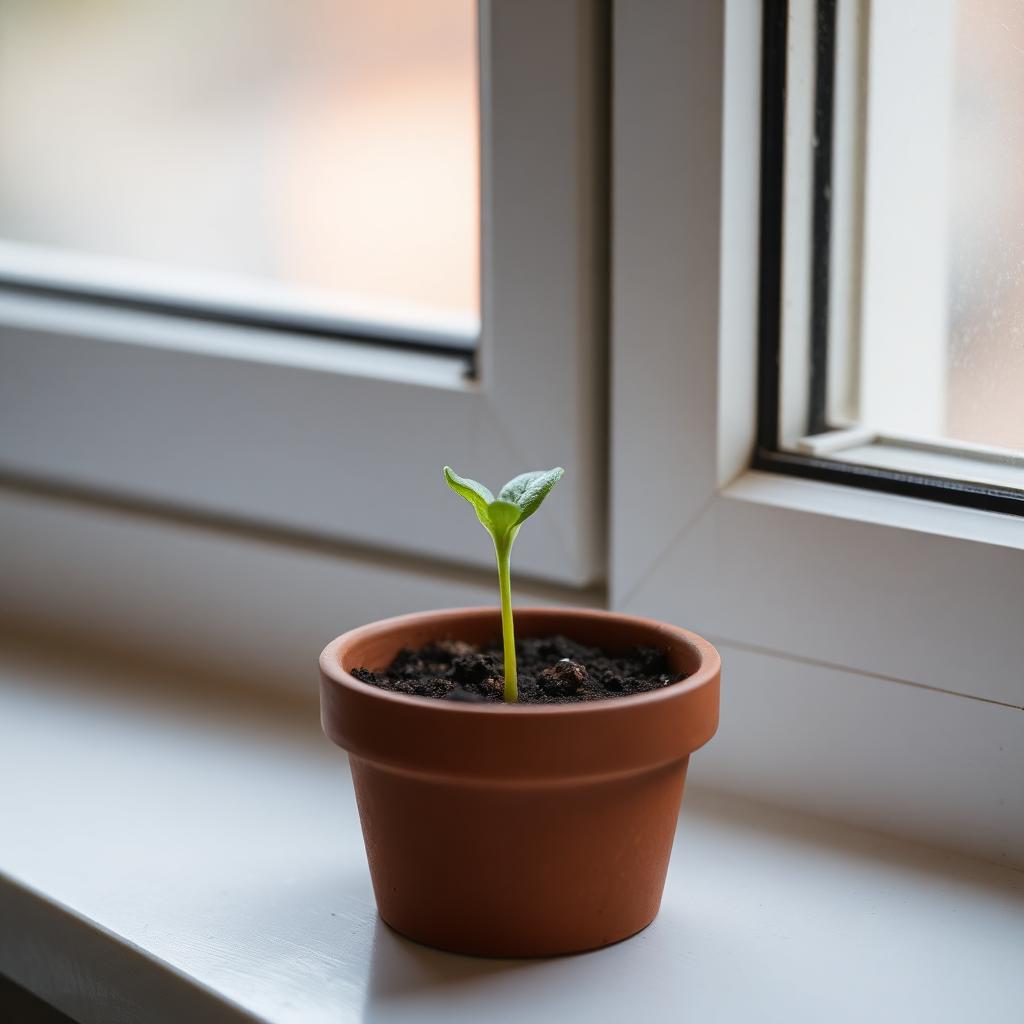
This article is for the moment after the collapse. Not the missed day. Not the broken week. The full 30-day silence: the meditation cushion that has gathered dust, the running shoes that haven't moved, the language app you can no longer bear to open, the journal you used to write in every night that has a one-month gap and a faint sense of dread attached to it.
This happens to everyone who builds habits seriously. It happened the first month of grief, the first month of the new job, the first month after the baby was born, the month the project deadline ate everything. Habits collapse. The question isn't whether you can prevent every collapse — you can't. The question is what you do in the second month, when the worst is over and you're standing in the rubble of a habit you used to have.
Most people get this part wrong. The standard responses — "start over from day one," "be more disciplined this time," "begin tomorrow with a bigger commitment to make up for lost time" — almost all backfire. There's a better protocol.
Stage 1: Don't audit yet
The first instinct after a collapse is to figure out what went wrong. Resist this instinct for at least 48 hours. The post-collapse mind is not in a useful analytical state — it's defensive, self-critical, and prone to drawing the wrong lessons. An audit done in this state will conclude either that you're hopeless or that the habit was always a bad idea. Neither is true.
What to do in those first 48 hours: nothing related to the habit. Sleep well. Eat normally. Move gently. Let the system settle. The audit can wait until you're in a stable enough state to do it without flagellating yourself.
Stage 2: Name what actually happened
Once you're calmer, write down, in two or three sentences, what caused the collapse. Not "I lost discipline." That's not a cause. Something specific happened in your life that broke the system. Common categories:
- A life event (a job change, a death, an illness, a move, a relationship change).
- A schedule shift (the cue that anchored the habit changed time or disappeared).
- An environmental change (you stopped working from home, the gym closed, you started travelling).
- A motivation decay (the habit's original reason no longer feels relevant).
- A pure energy collapse (you just didn't have the bandwidth, often during a hard work or family season).
The category matters because the right recovery depends on it. A habit that collapsed because of a schedule shift needs a new cue. A habit that collapsed because of motivation decay needs a re-examination of whether to resume it at all. A habit that collapsed from pure energy doesn't need any redesign — it just needs a soft restart when the energy returns.
Stage 3: Decide whether to resume at all
This is the question the standard self-improvement narrative skips: maybe the habit shouldn't be resumed. Maybe the version of you who set up that habit was different from the version of you reading this now. Maybe the goals have shifted. Maybe the habit was always partly performative.
Three questions to settle the decision:
Would my future self thank me for resuming this habit? Not "should I." Would. There's a difference between an obligation you've inherited from your past self and a behaviour your current self actually wants to be doing.
Is the underlying need still real? Sometimes habits collapse because the underlying need they served has changed or been met elsewhere. The morning meditation might have been for stress that you've since addressed in therapy. The daily run might have been for a fitness goal you've since achieved.
If I imagine doing this again, do I feel reluctance or relief? Reluctance can mean it's the right habit and you're scared of getting back on the wagon. Relief means it's the right habit and you've been missing it. Either of those signals "resume." Pure dread, especially dread that has nothing to do with effort and everything to do with not wanting the activity itself, is a signal to consider letting the habit go.
It's permissible to retire a habit. Letting go of one habit cleanly is much healthier than dragging six dead habits around with you for years out of guilt.
Stage 4: The micro-restart, not the restart
If you've decided to resume, the single most important rule is: do not restart at the original size. The original size is what collapsed. Restart at roughly 25% of that size, for the first week, regardless of how strong you feel.
If you used to meditate 20 minutes daily, restart at 5 minutes. If you used to run three miles, restart at half a mile. If you used to write 500 words, restart at one paragraph. The micro-restart is not weakness; it's intentional under-shooting to rebuild the cue-routine-reward loop before re-attempting the full dose.
Most failed restarts fail because the user comes back at the original intensity, finds it unsustainable, collapses again, and then concludes "I really can't do this anymore." The micro-restart prevents the second collapse, which is the one that often becomes permanent.
Stage 5: Use the original cue, even if it has to be rebuilt
If the original cue is still intact (you still wake up at the same time, you still drink coffee at the same place), use it. The cue is more valuable than the dose; rebuilding the cue is hard, rebuilding the dose is easy.
If the original cue is gone, you need a new one before you restart the habit. Restart-day is also cue-installation day. Do not try to do both the habit and a search-for-a-new-cue at the same time. Pick the cue first, run it for three days without the habit so you can see whether it actually fires reliably, then add the habit on top.
Stage 6: Set a 14-day re-entry window
For two weeks after the micro-restart, you are not "back on the habit." You are in a re-entry window — a deliberately limited time during which the only goal is consistency at the small dose, not progress on the underlying outcome.
This framing matters because it prevents the common failure mode of feeling like you should be "back to where you were" by week two. You are not back. You will not be back for several more weeks. The re-entry window has its own success criteria: did you do the small version on most days. That's all.
At the end of 14 days, evaluate. If you've been consistent at the small dose, scale up by 50%. Hold the new size for another two weeks. Repeat until you're back at the original dose, or — often — at a slightly different version that fits your current life better than the old one did.
Stage 7: Write the post-mortem (after week 4)
Once the habit is re-established at a sustainable size, write a brief post-mortem on the collapse. Not in the immediate aftermath, when the lessons are warped by guilt — a month later, with the habit running again.
Two questions: what specifically caused the collapse, and what would I need to change about the habit's design to prevent the same collapse next time? The answers go in a notes file you check next time you set up a new habit.
Over years, this file becomes the single most valuable piece of self-knowledge you have about how habits work for you specifically. It contains your particular failure modes, your particular vulnerabilities, your particular cues that don't survive certain life events. Future-you will use it constantly.
The shift in framing
The deepest part of habit recovery is the internal shift from "I failed and now I have to start over" to "the system needed maintenance and now I'm maintaining it." Long-running habit practitioners go through this cycle constantly. The collapse is not the exception; it's part of the design. People who build durable habits over decades have collapsed and recovered the same habit many times. The recovery itself becomes one of the habits — a learned, calm, structured response to the inevitable.
That is the difference between people who have habits for a year and people who have habits for life. Both groups have collapses. One group treats the collapse as final. The other group treats it as a maintenance event, follows a protocol, and is back in rhythm two weeks later. The habit is not the streak. The habit is the willingness to keep returning. That willingness is itself trainable, and after the first few recoveries it becomes almost effortless.
Ready to build the habit?
HabitPal is the gentle AI coach behind every article on this blog.