7 Tiny Habits That Quietly Change Your Life in 90 Days
Seven two-minute habits that compound into a measurably different life by day 90 — none of them require willpower, motivation, or a 5am alarm.
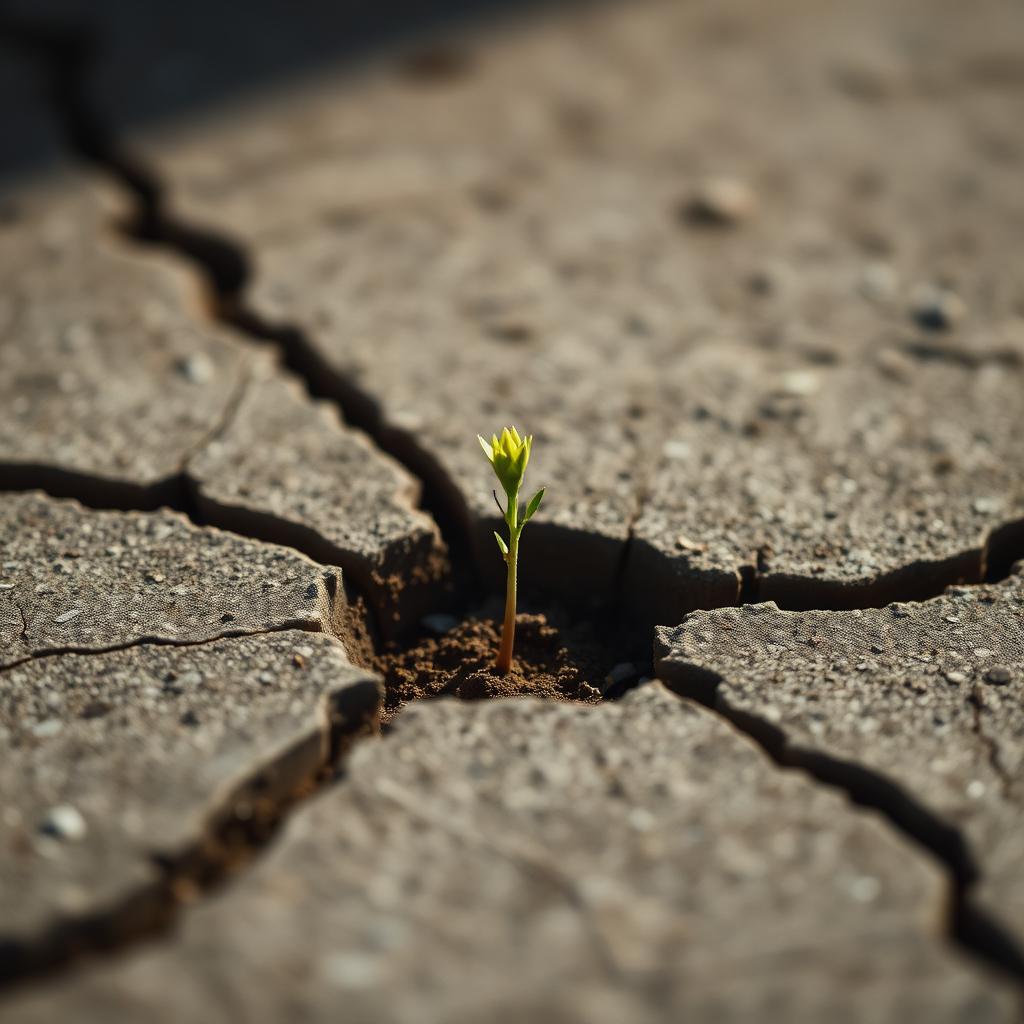
The habits that change your life rarely look like the ones in the productivity videos. They aren't cold plunges, 5am wake-ups, or two-hour gym sessions. They're small enough to do on your worst day, and that's exactly why they work. A habit you can do at 2% capacity becomes the habit you actually keep — and the one you keep is the one that compounds.
Below are seven of them. None take longer than two minutes. None require equipment, a subscription, or a personality transplant. Run them for ninety days and the change isn't dramatic — it's structural. You'll feel like the same person, in a quietly better life.
1. Drink a glass of water before your phone
Most people reach for their phone within sixty seconds of waking. The first thing the brain learns each day is "the world is urgent." Replace that with a glass of water on the nightstand, poured the night before. You're not avoiding the phone forever — just placing one calm action ahead of it. After a few weeks, the morning has a different shape: you, then the world.
2. Make your bed, badly
The point isn't a hotel-corner finish. The point is one completed task before the day starts negotiating with you. A made bed is a small visible vote for "I'm someone who finishes what I start." It also makes the rest of the room feel calmer, which makes you feel calmer, which makes the next decision easier. The cost is forty seconds. The return is a tone for the whole day.
3. Write one sentence a day
Not a journal entry. Not three pages. One sentence about what happened, what you noticed, or what you're thinking about. The sentence doesn't have to be good. It has to exist. After ninety days you'll have a record of your life that no photo roll can match — and a writing habit that quietly grew teeth without you noticing.
4. Two-minute tidy before bed
Set a timer for two minutes. Put things back. Wipe one surface. Close the loops the day left open. You're not cleaning the house — you're handing tomorrow-you a softer landing. The first thing you see in the morning is the last thing you fixed at night. That single shift in atmosphere does more for your mood than most "self care" routines.
5. Walk after one meal
Any meal. Any pace. Ten minutes is plenty. The walk doesn't have to be exercise — it just has to be movement that interrupts the slump. Blood sugar levels even out, the afternoon crash softens, and you've added a small piece of momentum the body will start to crave. Most people don't need more workouts; they need more reasons to leave the chair.
6. Send one message to someone you care about
Not a meeting, not a thread, not a like. One specific message to one specific person. "Thinking of you." "That thing you said last week stuck with me." "How's your mom doing?" Relationships don't decay from big absences — they decay from small silences. A daily two-line message is the single highest-leverage habit on this list for how your life will feel in a year.
7. Note one thing that went well
At the end of the day, write down one thing — anything — that went well. A real one, not a gratitude-list cliché. "The bread came out right." "My boss laughed at my joke." "I didn't snap at the kids when I wanted to." The brain has a negativity bias for evolutionary reasons; this small act forces it to also encode the wins. After ninety days you'll have ninety pieces of evidence that your life is, in fact, working — which is exactly the data depression and burnout try to delete.
Why "tiny" beats "ambitious"
The reason these work isn't that they're powerful in isolation. They're not. A glass of water doesn't change a life. The reason they work is that they're repeatable on a bad day. Big habits collapse the moment the day collapses. Tiny habits survive a hangover, a toddler tantrum, a 70-hour work week, a flu, a heartbreak. And because they survive, they compound. The volume is the point.
One percent better, every day, is thirty-seven times better in a year. That math is mostly metaphor — but the lived version is real. The person doing seven two-minute habits for ninety days has built a scaffolding that bigger habits can later climb. The person who tried to overhaul everything in week one is, by week three, back to where they started.
How to actually run the experiment
Pick three to start. Not seven. Three is the number a busy life can sustain in the first month. Stack each onto an anchor that already exists — water after waking, sentence after coffee, tidy before brushing teeth. Track them somewhere you'll see daily; a paper page on the fridge works as well as an app. Aim for 80% completion, not 100%. The streak is a tool, not a religion.
At the thirty-day mark, add two more. At the sixty-day mark, add the last two. By ninety days you'll have a small portfolio of behaviours doing quiet work in the background of your life — and the version of you that exists at the end is not the version that started.
What week one actually feels like
The first week of these seven habits is the easiest one to misread. The water glass takes ten seconds. The bed-making takes forty. The one-sentence journal feels almost insulting in its smallness. By Wednesday, a small voice will whisper that this can't possibly be working — that real change requires more friction, more sweat, more obvious cost. That voice is wrong, and recognising it as wrong is half the battle.
What's actually happening in week one is below the surface. The brain is building cue-response pairings — water glass to nightstand to morning, made bed to walking out of bedroom, two-minute tidy to brushing teeth. Each pairing is being laid down as a neural shortcut, and shortcuts take repetition, not effort. The reason these habits feel too easy is the reason they survive. Effort kills habits in week three. Ease keeps them alive long enough to compound.
Week two: the boredom dip
Week two is where most people quit habits that would have changed their lives. The novelty is gone, the change isn't yet visible, and the part of your brain that loves new shiny things is now bored. This is the dip behaviour scientists talk about, and it's the single most predictable failure point in any behaviour-change program.
The way through is not motivation — it's identity. Stop asking "am I getting results yet?" and start asking "what kind of person did I act like today?" Someone who drank water before their phone. Someone who made their bed. Someone who wrote a sentence. Each tick is evidence, and accumulated evidence eventually becomes self-image. Self-image is what carries habits past the dip.
Common objections, answered
"These are too small to matter." They are too small to matter on day one. They are not too small to matter on day ninety. The whole point is that the day-one version is sustainable, which is what allows the day-ninety version to exist. A big habit you do for eleven days is worth less than a tiny habit you do for a year.
"I've tried habit lists before and they didn't work." The lists that didn't work were almost certainly longer, more ambitious, and less anchored than this one. The single biggest design difference here is that every habit has a built-in anchor and can be done in under two minutes. That's not a stylistic choice — it's what determines whether something survives a bad week.
"I want bigger change, faster." Bigger and faster is what got you here. The honest assessment is that you've probably already tried the bigger, faster approach more than once, and it hasn't compounded. The tiny version isn't the slower path — it's the only path that ends somewhere different.
Why this list and not the popular one
The internet's standard list of life-changing habits — cold showers, 5am wake-ups, hour-long meditation, journaling three pages — has a hidden bias: it was written by people whose jobs allow them to do those things. For most lives, that list is a recipe for failure and quiet self-blame. The seven above were chosen for the opposite reason: they survive a real life, with kids, jobs, commutes, exhaustion, and weeks where everything goes wrong.
They also stack into each other without competition. Water before phone runs in your first minute. Made bed runs in the second. Two-minute tidy and one-line journal run inside the bedtime routine you already have. Walk and message-someone slot into existing breaks. The whole system takes roughly fifteen minutes a day, total, distributed across moments you weren't using well anyway.
A 90-day map you can steal
Days 1–30: pick three from the list. Do them at exactly the two-minute version. Track each tick on a paper page somewhere visible. Aim for 24 out of 30 ticks — 80% — not 30 out of 30. The 80% rule is what protects you from streak-driven collapse.
Days 31–60: add two more. The original three should now feel automatic — you'll often catch yourself doing them without remembering deciding to. Add the new ones with the same two-minute version. Don't escalate the originals yet, even if you want to.
Days 61–90: add the last two. By now you have a stack of seven small daily behaviours that survive your bad days. Optional: let one or two of the originals grow if they want to. The five-minute walk becomes fifteen because you actually enjoy it. The one sentence becomes a paragraph because the words came easily. Growth is allowed, but only as a side effect, never as a target.
At day 90, look back. You'll have somewhere between 500 and 700 individual habit deposits in the bank, and a version of you that quietly handles things the day-one version couldn't. That's the experiment. That's the whole pitch. The seven habits aren't magic — the ninety days of doing them are.
What the research says about small habits
The instinct to favour ambitious habits over small ones runs against decades of behaviour-change research. Phillippa Lally's 2010 study at University College London tracked 96 people forming new habits and found that the time to automaticity ranged from 18 to 254 days, with a median of 66. The biggest predictor of which habits made it to automaticity wasn't the participant's discipline — it was the simplicity of the behaviour itself. Complex habits routinely failed to automate; simple ones routinely did.
BJ Fogg's tiny-habits work at Stanford has produced similar findings over thousands of participants: behaviours that take under 30 seconds and are anchored to existing routines reach automaticity at roughly three times the rate of behaviours that require dedicated time slots. The seven habits above are designed against this literature, not against the productivity-content economy that has different incentives. The reason they look small is the reason they survive.
A subtler finding from the same body of research: people who start with small habits and let them grow naturally end the year with higher total volume than people who start big and try to maintain. The counterintuitive lesson is that ambition is a worse predictor of yearly output than restraint at the starting line. The tortoise still wins.
The compounding most people miss
The numerical compounding of small habits — pages read, walks taken, dollars saved — gets all the attention, but it's the secondary compounding that does the real work. Three things compound invisibly alongside the visible metrics, and these are usually what people are actually after when they start the journey.
Self-trust compounds. Every kept commitment, no matter how small, adds to the internal evidence that you can be relied on by yourself. After 90 days, this self-trust becomes a stable backdrop to all future commitments. People who have built a year of small kept promises approach new goals from a fundamentally different psychological position than people who haven't.
Identity compounds. Each habit performed is a vote for a particular self. After enough votes, the self crystallises. You stop being "someone trying to read more" and become "a reader." The label change isn't cosmetic — it changes which choices feel natural and which ones feel out of character. Identity, once formed, does most of the heavy lifting for free.
Capacity compounds. The mental and emotional bandwidth required to run seven small habits shrinks dramatically over 90 days as each becomes automatic. The freed bandwidth is then available for the next layer of habits, or for the harder work that small habits were always supposed to make possible. The system gets cheaper to run over time, even as the volume it produces grows.
None of this shows up in a tracker. It shows up in how the eighth month feels different from the first.
Read next
For the science behind why small wins compound, see The 1% Rule. For how to attach these to routines you already have, read Habit Stacking: 50 Examples.
Ready to build the habit?
HabitPal is the gentle AI coach behind every article on this blog.