How Long Does It Take to Build a Habit? The Real Science (Not 21 Days)
The 21-day rule is a myth from a 1960 plastic surgery book. Here's what the actual research says about how long it takes to build a habit — and why averages matter less than you think.
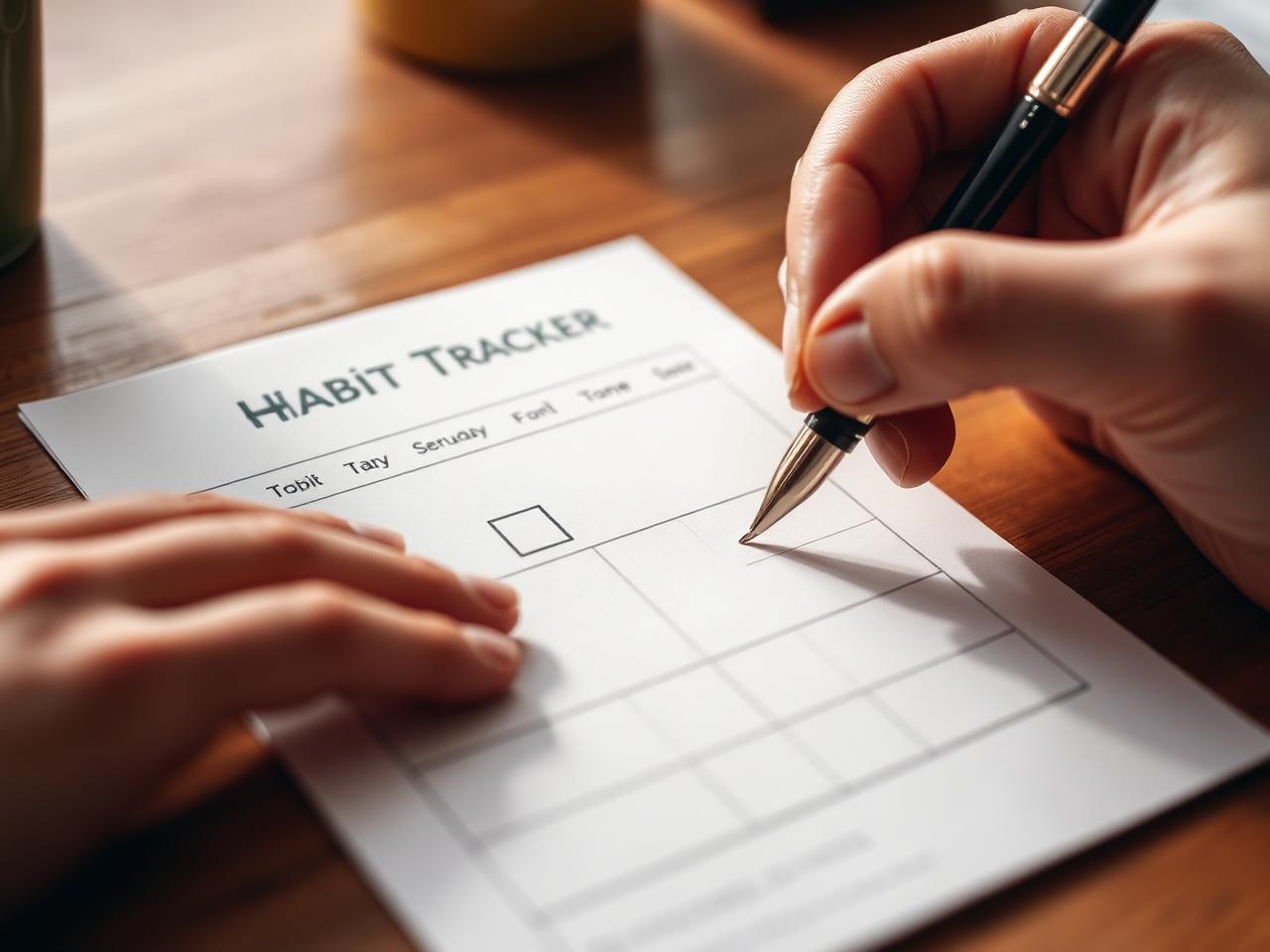
Almost everyone has heard that it takes 21 days to build a habit. The number is so widely repeated that it's printed on planners, baked into productivity courses, and quoted by people who genuinely believe it's science. It isn't. The 21-day idea comes from a 1960 book by a plastic surgeon named Maxwell Maltz, who noticed his patients took about three weeks to get used to their new appearance. It was never a study. It was an offhand observation about a completely different thing.
The real answer to how long it takes to build a habit is more interesting, more honest, and much more useful than the myth it replaces. It also explains why so many habit attempts collapse exactly where they should be getting easier.
What the actual research says
The most-cited modern study on habit formation was conducted at University College London by Phillippa Lally and colleagues. They asked 96 people to pick a new daily behaviour — drinking a glass of water at lunch, doing fifty sit-ups after morning coffee, eating a piece of fruit with dinner — and tracked how automatic the behaviour felt over the following 12 weeks.
The average time for the behaviour to become automatic was 66 days. But the average is the least interesting number in the study. The range was 18 days to 254 days. That's a difference of more than eight months. Two people doing the "same" habit can have radically different timelines, and both of them are normal.
Why the range is so wide
Three factors explain almost all of the variation:
How complex the behaviour is. Drinking a glass of water becomes automatic far faster than running for thirty minutes. The more cognitive and physical effort a habit requires, the longer the brain takes to automate it.
How consistent the cue is. A habit anchored to a stable, daily trigger ("after I pour my morning coffee…") forms much faster than one floating in the day ("sometime in the afternoon I'll meditate"). Consistent cues are habit fertiliser.
How rewarding the behaviour feels. Behaviours that produce some kind of immediate positive feedback — a small dopamine ping, visible progress, a satisfying checkmark — automate faster than ones whose payoff is months away.
What "automatic" actually means
The research definition of an automatic behaviour is one that you do without conscious deliberation. You don't decide whether to do it. You don't argue with yourself. You don't need to muster motivation. The cue arrives and the behaviour follows.
This is a higher bar than most people imagine. A habit isn't truly built when you've done it for a few weeks. It's built when not doing it would feel strange. By that definition, the realistic answer for most meaningful habits is two to four months of consistent practice, sometimes longer.
The honest timeline, in four phases
Days 1–7: The novelty phase. Motivation is high. The behaviour feels exciting. You're powered by the idea of becoming a new person. Almost any habit feels possible here. Don't trust this feeling — it always fades.
Days 8–30: The wall. The novelty wears off. The behaviour feels harder than it did in week one, even though nothing has actually changed. This is where most habits die. It feels like you're failing, but you're just experiencing the normal flattening of effort. Cut the habit smaller. Protect the streak. Survive this phase and you've done the hardest part.
Days 31–90: Quiet automation. The habit starts to feel like part of your day rather than a project. You skip a day occasionally and notice it feels off. You start to identify with the behaviour ("I'm a runner now") rather than describing it as a goal. This is the phase the research is measuring.
Day 90 onwards: Identity. The behaviour stops being a habit you're "working on" and becomes a fact about you. It survives stress, travel, and bad weeks. You no longer need to track it for it to happen, although you might keep tracking it because you enjoy the evidence.
What this means for the next habit you try
Plan for ninety days, not twenty-one. If your goal is anything more meaningful than drinking more water, give yourself three months before you judge whether it's working.
Pick a smaller version of the habit than feels right. The faster you can complete the behaviour, the more consistent your cue, and the lower the chance you'll skip on a bad day. A smaller habit done for ninety days beats a bigger habit abandoned in three weeks every time.
Anchor it to a stable cue. Use the formula "after I [existing routine], I will [new habit]." This single move can cut weeks off the timeline by removing the question of when the behaviour happens.
Create an immediate reward. Mark it done. Tell a friend. Note how it felt. The brain needs a fast positive signal to wire the habit; without one, automation takes far longer or doesn't arrive at all.
Plan for the missed day. You will miss one. Sometimes several. The rule that matters is the one you already know: never miss twice. A single miss is invisible to your long-term progress. Two in a row is the beginning of stopping.
Why the 21-day myth survives anyway
People keep repeating the 21-day rule because it's emotionally convenient. Three weeks feels survivable. Three months feels like a real commitment. The myth gives people permission to start; the truth requires them to stay. Both matter, but only one is honest.
The better mental model is this: a habit is not a deadline you cross. It's a slope you climb. Some days you climb fast, some days you barely move, occasionally you slip back a step. Three weeks in, you're not done — you're just out of the easiest part. Ninety days in, the slope flattens and the behaviour starts carrying itself. A year in, you've climbed something real.
So the answer to "how long does it take to build a habit?" is the deeply unsatisfying one your fitness coach probably won't put on a poster: longer than you want, shorter than you fear, and almost entirely dependent on whether you keep showing up at the small, boring scale long after the novelty has worn off. Which is, ultimately, the whole point.
Ready to build the habit?
HabitPal is the gentle AI coach behind every article on this blog.